 europenews.sbs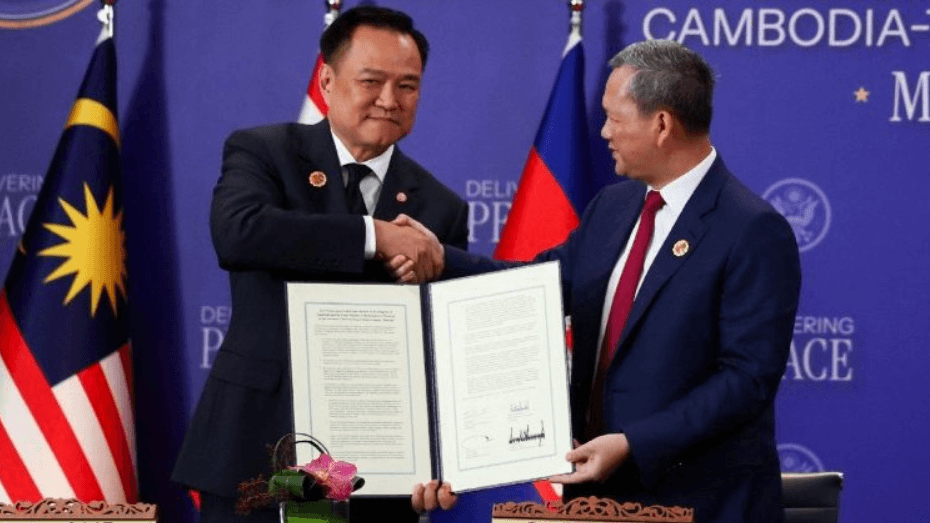
Understanding the Ceasefire Agreement
The ceasefire agreement reached between Thailand and Cambodia marks a significant development in their longstanding territorial disputes. Both nations recognized the urgent need to stabilize the region and prevent further loss of life and property.
At the heart of the ceasefire agreement are several motivations. Both nations are aware that continued conflict can have far-reaching economic repercussions and jeopardize diplomatic ties.
Their discussions revolved around crucial terms stipulated in the agreement.
Additionally, the agreement imposes a prohibition on reinforcements in the conflict zones. This aspect is particularly crucial as it seeks to prevent an escalation of military presence, which could reignite tensions.
Impact of Clashes on Civilians
Approximately one million people have been displaced from their homes, forcing them to seek refuge in temporary shelters.
The stress of leaving behind their homes, possessions, and livelihoods contributes to the psychological toll of such a crisis.
Furthermore, the fear of violent escalations remains a constant threat, exacerbating the already dire living conditions.
International humanitarian organizations have stepped in to provide some relief, but the sheer scale of the crisis presents many challenges. Aid distribution is hindered by ongoing hostilities and bureaucratic barriers, delaying vital assistance from reaching those in critical need.
Historical Context of Thailand-Cambodia Relations
Historically, the two nations share deep ethnic and cultural bonds, notably evident through shared religious practices such as Buddhism. However, these similarities have often been overshadowed by a series of conflicts that have defined their interactions.
The most significant conflict occurred from 2008 to 2011, resulting in military clashes that heightened tensions and prompted international scrutiny.
Diplomacy efforts have characterized much of the history between these two nations. Additionally, Thailand’s support for Cambodia during its tumultuous periods post-Khmer Rouge showcased the potential for cooperative relations. However, nationalistic sentiments frequently resurface, complicating peacebuilding efforts.
As history has demonstrated, the bilateral relationship remains fragile.
The Road Ahead: Challenges and Opportunities for Lasting Peace
One of the foremost challenges is the persistence of lingering tensions stemming from past conflicts and territorial disputes. These historical grievances can easily resurface if not effectively acknowledged and addressed. Active dialogue between the two nations is crucial.
Additionally, domestic political dynamics in both countries can complicate efforts toward peace. Nationalism and political rhetoric can escalate sentiments that disrupt diplomatic relations.
On the flip side, opportunities for collaboration and mutual growth abound. Economic ties can serve as a catalyst for peace. These initiatives not only provide economic benefits but also foster a sense of shared purpose that transcends historical animosities.
Ultimately, the road ahead for Thailand and Cambodia hinges on their commitment to peace-building efforts. Thus, the importance of continued communication and cooperation cannot be understated for the durability of peace in the region.
If you appreciate our hard work in telling the truth through Europe News, please consider becoming a regular donor.