
 europenews.sbs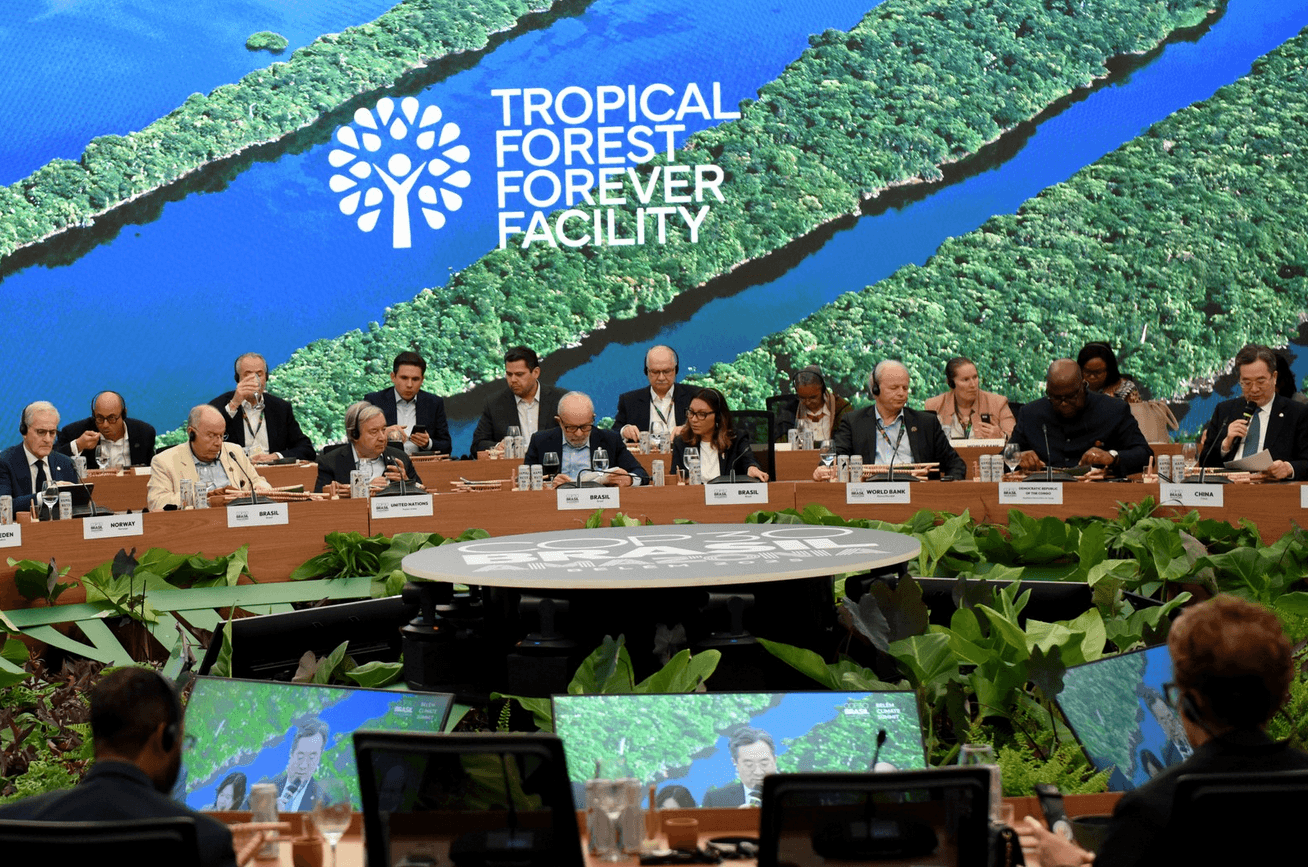
The Current Landscape of Tropical Forests
As of 2025, the state of the world’s tropical forests remains a subject of both concern and cautious optimism. However, it is equally important to acknowledge the ongoing significant challenges that threaten these vital ecosystems.
Factors contributing to the health of tropical forests include fire, degradation, and the ramifications of political choices.
Political choices also play a critical role in shaping the future of tropical forests. Regulatory frameworks that prioritize conservation, community engagement, and sustainable land management have proven effective in safeguarding these forests.
Addressing these multifaceted issues will require a concerted effort from governments, NGOs, and local communities alike.
The Dynamics of Deforestation: Causes and Consequences
Deforestation remains a critical issue in global environmental governance, driven by various factors that go beyond mere large-scale agricultural expansion. One significant contributor is forest fires, both natural and human-induced, which can devastate extensive forest areas and disrupt ecosystems.
Logging, both legal and illegal, is another primary driver of forest loss.
Moreover, the conversion of forest land for agricultural purposes remains a significant challenge. This practice is often justified by the growing global demand for food, leading to the displacement of natural habitats. Land conversion affects not only wildlife populations but also local communities that rely on forests for their livelihood.
Political Commitments vs. Ground Realities
For example, despite political commitments to reduce deforestation rates, extensive agricultural expansion and mining activities persist, driven by economic motivations. These inconsistencies highlight the tension between environmental rhetoric and the operational realities faced by policymakers.
This gap is further exacerbated by vested interests that prioritize profit and resource extraction over ecological conservation.
Evaluating the effectiveness of current political commitments to protecting tropical forests reveals a complex interplay between intentions and actions.
Steps Towards Sustainable Change: Opportunities and Challenges
Innovative technologies are also playing a key role in conservation efforts. Remote sensing and artificial intelligence facilitate real-time monitoring of deforestation, allowing stakeholders to respond swiftly to illegal logging activities.
These movements work to educate the public and advocate for policy reforms, linking conservation goals with broader social justice narratives. They aim to create a unified front that calls for accountability from both governments and corporations.
Despite these encouraging developments, challenges persist. Bridging the gap between policy and implementation remains a critical hurdle. Legislation that promotes forest conservation often struggles with enforcement and compliance issues. Furthermore, economic pressures continue to drive unsustainable agricultural practices and logging.
If you appreciate our hard work in telling the truth through Europe News, please consider becoming a regular donor.