
 europenews.sbs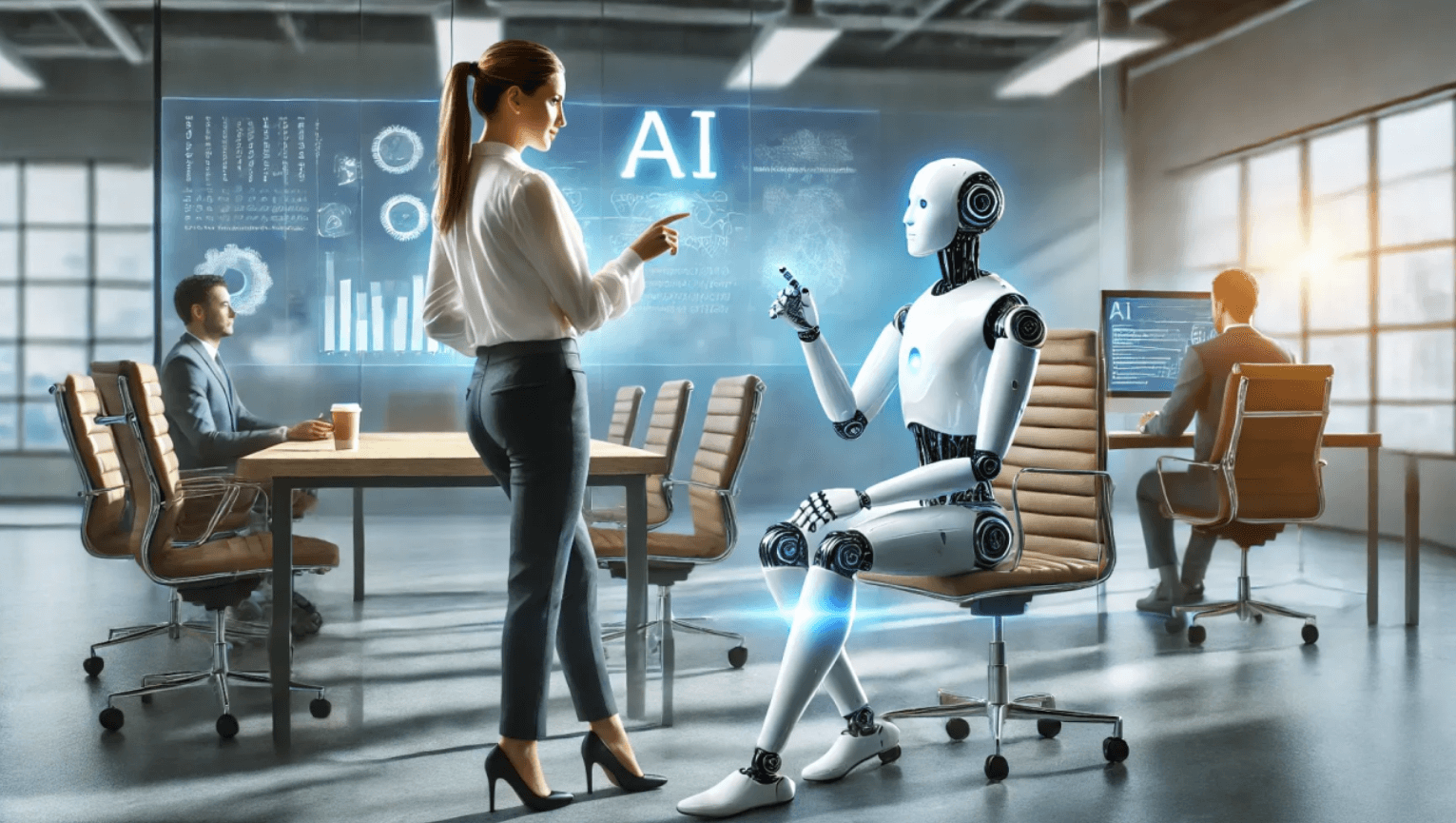
The Dawn of 2026: A New Era for Technology and Human Interaction
Tasks that once demanded significant time and effort are now streamlined through AI applications.
Furthermore, the AI digitalization revolution underscores a crucial shift in the workplace dynamic. The notion of a workplace characterized by constant pressure and fatigue is becoming outdated. Instead, the relationship between humans and technology during this period is anticipated to promote comfort and enhance collaboration. Employees can leverage advanced AI tools to manage their workloads more effectively, leading to improved mental well-being and job satisfaction.
As 2026 unfolds, industries are likely to see an increase in AI-driven platforms that foster innovation and creativity.
Understanding AI Digitalization: From Global Standards to Integration
AI digitalization represents a transformative shift in how organizations operate, harnessing advanced technologies to reimagine processes and improve efficiency.
Organizations worldwide are increasingly adopting AI technologies as part of their digitalization strategies. The healthcare sector, for example, utilizes AI to enhance patient care through predictive analytics. Similarly, in manufacturing, AI applications predict equipment malfunctions before they occur, thus minimizing downtime and enhancing productivity. Companies from different industries are leveraging AI to streamline logistics, manage supply chains, and optimize customer service operations.
The process of integrating AI technologies into existing frameworks is complex and requires careful planning. It often begins with assessing current capabilities and identifying areas where AI can add value. Organizations must ensure that their IT infrastructure supports AI integration, which may involve upgrading hardware and software systems. Furthermore, they must cultivate a culture of innovation and adaptability within their workforce to successfully embrace AI digitalization. Training and development programs are crucial, equipping employees with the skills needed to operate alongside AI systems effectively.
Another notable example is IBM’s Watson, which aids healthcare professionals in making informed decisions based on analytical insights.
The Traditional Medicine Growth in 2026: A Convergence with AI
In 2026, the intersection of traditional medicine and artificial intelligence (AI) marks a transformative period for healthcare practices.
The collaboration between traditional and modern medical practices is leading to substantial advancements in healthcare delivery. This synergy is essential in preserving traditional knowledge while ensuring that it evolves with contemporary scientific validation.
Digital platforms facilitate access to traditional remedies, promising a global reach for practices once limited to specific cultures or regions.
Europe News : Digitalization Revolution Rewarding Engagement Through Collaboration
This movement aims to transform passive consumption of content into an interactive and rewarding experience for users across the continent.
One notable example of this trend is the gamification of reading and learning platforms. Programs like the Read & Earn initiative allow users to earn points or rewards for engaging with educational content. Participants can accumulate these rewards through reading articles, completing quizzes, or sharing insights with their peers.
Initiatives such as the Digital Citizens project encourage users to become active contributors to the digital ecosystem. Through organized discussions, coding workshops, and collaborative projects, participants enhance their skills and knowledge while simultaneously contributing to their communities. This emphasis on engagement not only enriches individual learning experiences but strengthens local networks and fosters a sense of belonging.
Moreover, the integration of user-generated content platforms has democratized knowledge sharing. Users are encouraged to contribute articles, tutorials, or videos related to their areas of expertise. This exchange of knowledge not only elevates user engagement but cultivates a rich repository of information that benefits everyone involved. As a result, the digital landscape becomes more inclusive, and users feel empowered to participate actively.
In conclusion, Europe News : digitalization revolution is characterized by collaborative programs that reward user participation.
If you appreciate our hard work in telling the truth through Europe News, please consider becoming a regular donor.