 europenews.sbs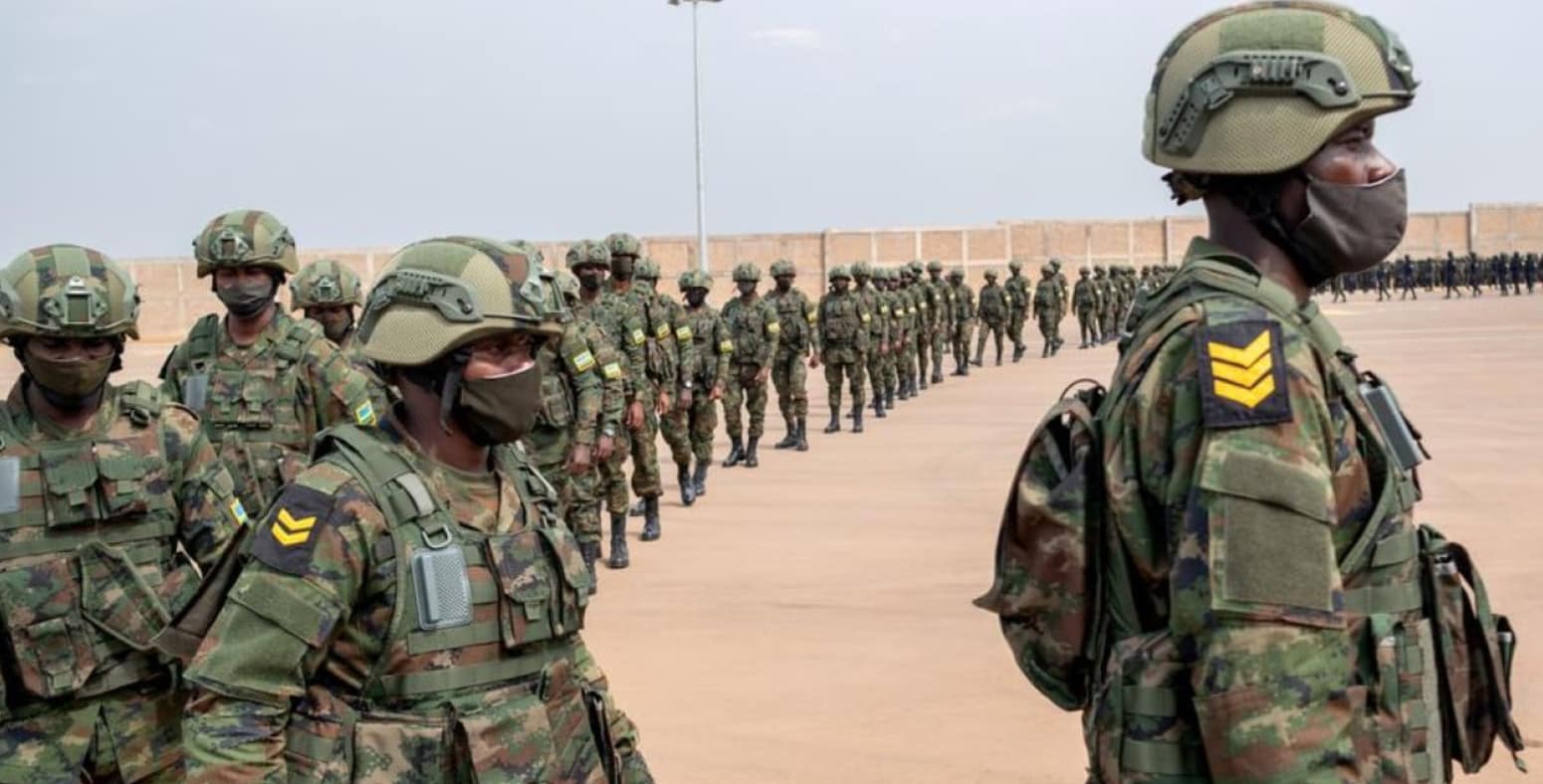
Africa’s Defense is Ready
Organizations such as Boko Haram, Al-Shabaab, and ISIS affiliates have emerged, exploiting local grievances and exacerbating existing conflicts. As a result, the militarization of numerous nations has heightened, leading to increased defense spending aimed at counter-terrorism initiatives. These developments indicate a shift in military priorities, focusing on both external and internal security threats.
Moreover, internal conflicts continue to plague several nations, fueled by ethnic divisions, political instability, and resource competition. Consequently, there is a pressing need for effective conflict resolution mechanisms that incorporate inclusive governance and dialogue.
Additionally, regional cooperation is becoming increasingly crucial.
Egypt: The Bulwark of African Military Power
Its military capabilities and historical context make it a significant player in regional stability and African defense strategy.
Modernization has been a key focus for the Egyptian military in recent years. The government has invested heavily in advanced military technology and equipment to enhance its operational effectiveness. This effort includes the procurement of modern aircraft, naval vessels, and tanks from a variety of international suppliers.
Moreover, Egypt engages in joint military exercises with various nations, reinforcing its alliances and enhancing interoperability with foreign forces.
Key Regional Players: Algeria, South Africa, and Nigeria
Algeria, with its well-trained armed forces and extensive military infrastructure, maintains a powerful presence in North Africa. Algeria’s historical experience with conflict has led to robust counter-terrorism capabilities and a focus on intelligence-driven operations.
South Africa, often regarded as a leader in sub-Saharan Africa, boasts one of the continent’s most advanced militaries. South Africa’s involvement in the African Standby Force underscores its commitment to collective security and regional cooperation. Furthermore, the country’s military engagements reflect its strategic aim to reinforce the African Union’s agenda on conflict resolution.
Nigeria, as Africa’s most populous nation, wields significant influence across West Africa.
The Need for Collaborative Defense Strategies
The contemporary security landscape in Africa presents numerous challenges that necessitate a collaborative approach among African nations. By fostering collaboration, nations can enhance their defense readiness and operational effectiveness, ensuring a robust response to security challenges.
Such initiatives not only strengthen the capabilities of individual states but also promote interoperability among forces. Regular joint exercises can also enhance familiarity with each nation’s operational tactics, thereby fostering trust and efficiency in crisis situations.
In addition to regional frameworks, there is considerable merit in forming international partnerships that can bolster Africa’s defense capabilities. Collaborative efforts with global powers and organizations could provide access to advanced technology, intelligence resources, and training programs.
Thus, the promotion of collective security mechanisms remains an essential pillar for the future defense strategies across the African continent.
If you appreciate our hard work in telling the truth through Europe News, please consider becoming a regular donor