
 europenews.sbs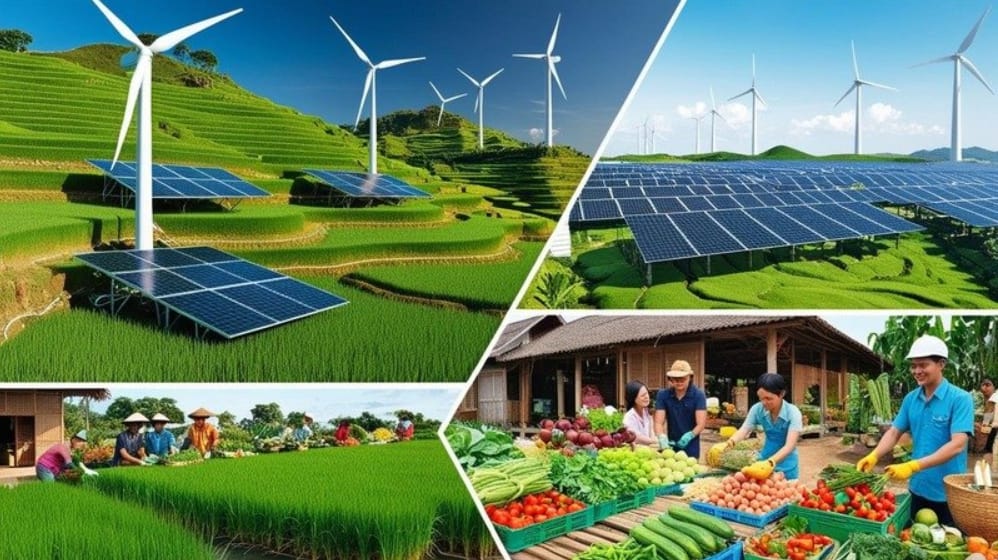
The Current Global Economic Landscape
The ongoing global conflicts have far-reaching implications for international trade, economies, and supply chains. As regions become embroiled in disputes, traditional supply chain hubs experience significant disruptions. The ramifications extend beyond borders, influencing production costs, shipping routes, and ultimately, consumer prices.
Essential commodities and manufactured goods face increased volatility, compelling businesses to adapt swiftly.
Emerging markets in Southeast Asia are beginning to capitalize on these shifts in geopolitical dynamics. These shifts present both challenges and opportunities. On one hand, emerging markets must navigate the complexities that arise from global uncertainties.
Southeast Asia’s Strategic Advantages
The region’s natural resources and demographic advantages further bolster its attractiveness as an emerging market.
Additionally, Southeast Asia presents itself as a viable alternative within global supply chains. With ongoing geopolitical tensions and uncertainties, multinational corporations are increasingly looking to diversify their operations.
Deepening Regional Integration and Collaboration
Investment partnerships play a crucial role in this regional integration as well.
Moreover, collaborative frameworks such as the ASEAN Economic Community (AEC) aim to create a single market and production base. This ambitious goal seeks to adapt to changing global dynamics by facilitating the movement of goods, services, labor, and capital.
The Future of Southeast Asia in Global Supply Chains
As multinational corporations reconsider their supply chain strategies, the region’s diverse economic landscape and market potential present significant growth opportunities. Sectors such as technology, manufacturing, and agriculture are likely to flourish, driven by both local demand and external investments.
The technology sector, in particular, stands to benefit tremendously from Southeast Asia’s youthful demographic and increasing internet penetration. Countries like Vietnam and Indonesia are seeing rapid advancements in digital infrastructure which fosters innovation. The increasing integration of artificial intelligence and cloud computing solutions will further bolster this trend.
Manufacturing remains a cornerstone for Southeast Asia’s economy, with many companies shifting production from China to diversify risk. Nations such as Thailand and Malaysia, known for their skilled workforce, are experiencing growth in electronics and automotive manufacturing. This transition towards sustainability can drive further investments and innovation, enhancing competitiveness on the global stage.
Agriculture in Southeast Asia also presents a rich avenue for growth. Policymakers can aid this transition through supportive legislation, fostering a business environment conducive to investment and growth.
If you appreciate our hard work in telling the truth through Europe News, please consider becoming a regular donor.