 europenews.sbs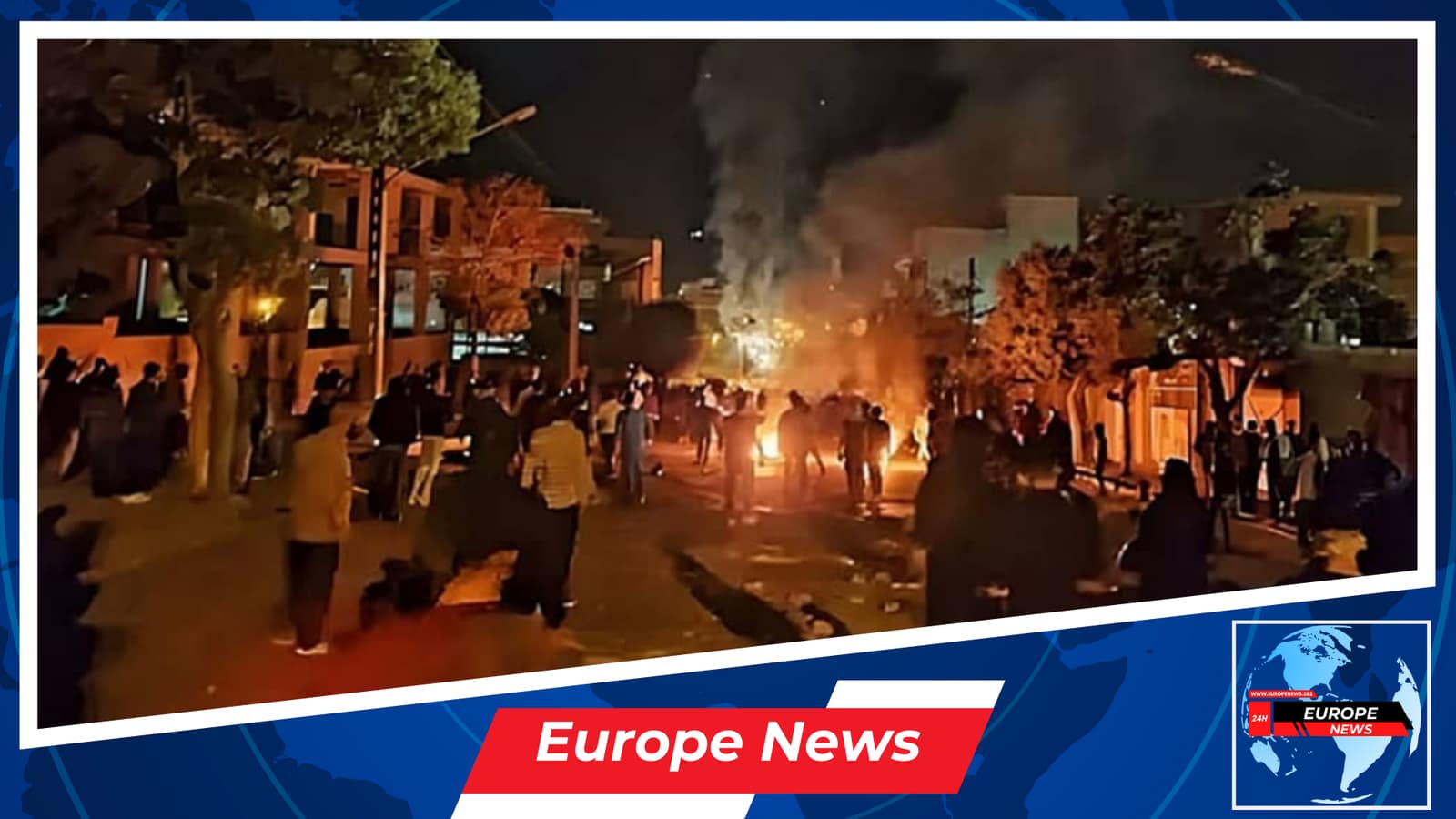
Demonstrations in Iran
Over the years, Iranian citizens have experienced increasing dissatisfaction with their government, driven by policies perceived as oppressive and ineffective.
Economic challenges have played a significant role in fostering a climate ripe for protest. High inflation rates, unemployment, and a depreciating currency have severely impacted the daily lives of Iranian citizens. Many have found it increasingly difficult to meet basic needs, leading to pervasive despair and resentment toward the government.
The Role of Political Interference and External Dynamics
Such claims raise significant questions about the authenticity of the protests and the motivations driving them. The narrative of external meddling often dominates both local and international discourse surrounding the protests, which can influence public perception.
Allegations of foreign involvement are not new in the context of Iranian politics. The historical backdrop includes decades of tension between Iran and the West, particularly since the 1979 Islamic Revolution. Consequently, such frames of reference can sway public opinion, touting the idea that the demonstrations may lack grassroots support.
Moreover, external dynamics complicate the situation further.
Economic Hardship and Public Dissent: Causes of the Protests
A significant driver of this discontent is the rampant inflation that has eroded the purchasing power of citizens. With the inflation rate soaring, essential commodities have become increasingly unaffordable for the average Iranian.
Unemployment has further exacerbated the economic situation. The labor market in Iran has faced stagnation, with many youth unable to secure jobs upon graduating from institutions.
Moreover, the perception of economic mismanagement by the Iranian government has intensified public dissatisfaction.
In light of these factors, it is evident that economic hardship plays a critical role in instigating public dissent.
Global Reactions and Implications of the Iranian Protests
The United States, in particular, imposed additional sanctions targeting officials deemed responsible for human rights violations during the protests.
Conversely, some nations chose a more cautious approach, prioritizing diplomatic relations with Iran over vocal support for the protests. Countries such as Russia and China have criticized external interference, asserting the need for non-intervention in domestic affairs.
The implications of these protests extend beyond immediate political reactions. The unity—or lack thereof—among the international community regarding the protests has significant repercussions for Iran’s political landscape.
If you appreciate our hard work in telling the truth through Europe News, please consider becoming a regular donor.