 europenews.sbs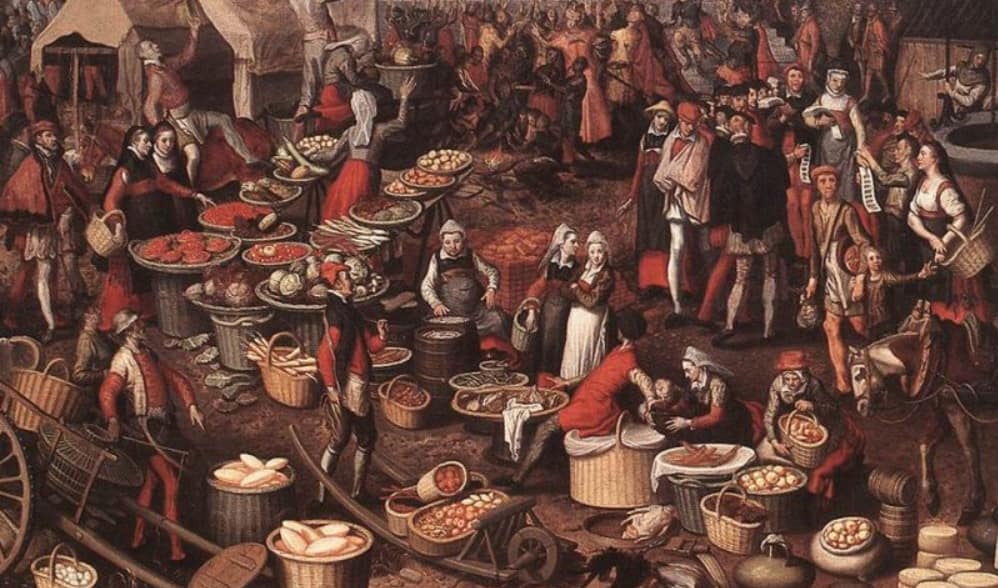
Prehistoric Foundations and the Rise of Civilizations
The history of Europe begins with its prehistoric foundations, characterized by early human settlements that emerged during the Paleolithic period.
The transition to settled agricultural communities marked a pivotal moment in European history, commonly referred to as the Neolithic Revolution. This shift allowed for the domestication of plants and animals, leading to surplus food production.
The advent of farming laid the groundwork for more advanced civilizations. As agricultural practices spread throughout Europe, the social landscape evolved, giving rise to monumental architecture and urban centers.
Germany’s Linear Pottery culture and the Minoans of Crete are compelling examples of this cultural flourishing. The innovations and societal structures developed during these prehistoric times significantly influenced the trajectory of European history.
The Glory of Ancient Greece and Rome
The Greek city-states, particularly Athens, pioneered the concept of democratic governance, allowing citizens to partake in decision-making processes. Socrates emphasized the importance of critical inquiry through dialogue, laying the groundwork for future philosophical endeavors. Aristotle further expanded the scope of philosophy by categorizing knowledge and applying empirical reasoning. His contributions spanned ethics, politics, metaphysics, and natural sciences, impacting various disciplines that continue to shape modern thought.
The Greeks were innovators in theatre with tragedies and comedies, further enriching cultural expression.
This cultural ethos carried forward into Ancient Rome, which inherited and adapted many aspects of Greek civilization.
The Middle Ages to the Renaissance: A Transformational Era
The Renaissance marked a departure from the medieval mindset, which was heavily religious and focused on the afterlife. Instead, this period emphasized humanism, a philosophy that celebrated human potential and creativity. There was a renewed interest in classical antiquity, leading to advancements in various fields such as art, literature, and science. This era produced notable figures like Leonardo da Vinci and Michelangelo, who exemplified the intersection of art and intellectual inquiry.
The contrast between the stark realities of the Middle Ages and the flourishing creativity of the Renaissance is striking. This transformation laid the foundation for modern European thought and culture, profoundly influencing the development of Western civilization.
Twentieth Century Conflicts and the Path to Unity
Beginning with World War I, the catastrophic events stemming from 1914 to 1918 set the stage for a turbulent era. It resulted in the loss of millions of lives and left vast areas of Europe devastated.
In the wake of these catastrophic wars, European nations recognized the urgent need for unity to prevent further conflict. This realization culminated in the creation of the European Community in the 1950s, which eventually transformed into the European Union. The EU represented a groundbreaking effort to foster economic cooperation, political dialogue, and collective security among member states.
If you appreciate our hard work in telling the truth through Europe News, please consider becoming a regular donor.